
Even now, in 2026, I still think about how one Twitch drop can turn a hardcore survival shooter into a global spectator sport. Escape from Tarkov built a huge slice of its reputation on Twitch viewership, and when Battlestate Games announced a second round of Twitch drops, I was glued to my screen, half excited about the loot and half worried about what it would do to the in-game economy.
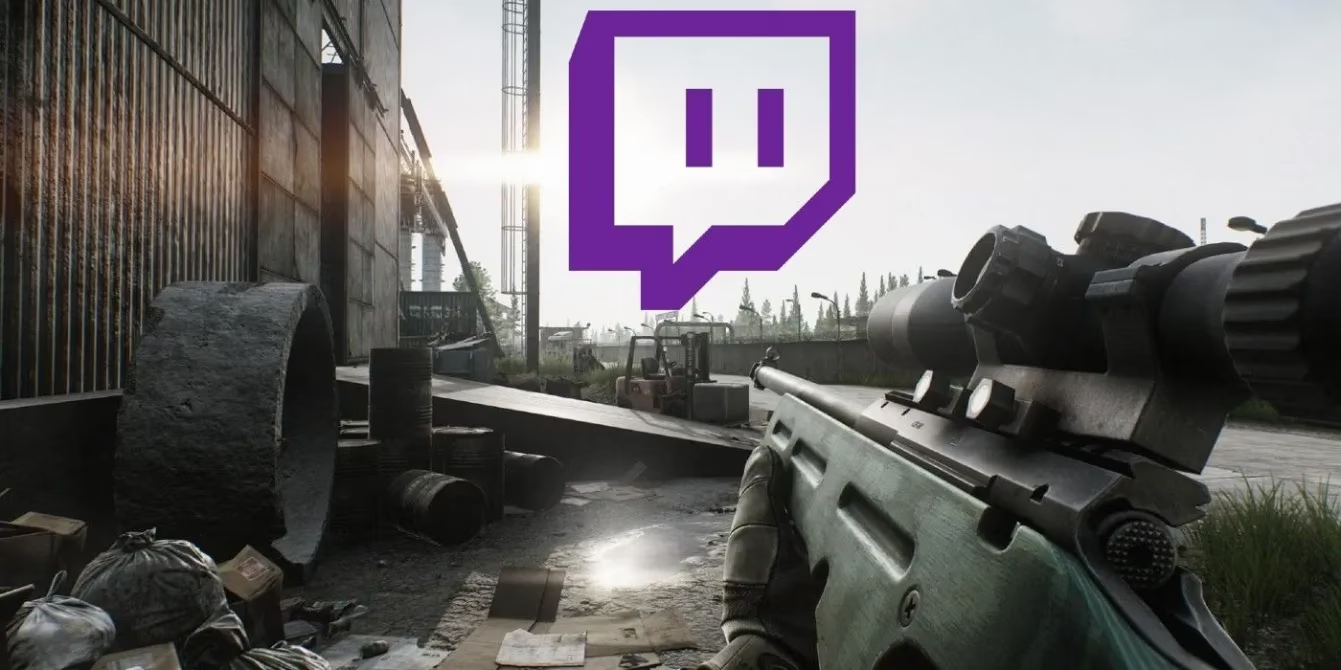
Let’s be real: Twitch has always been a loudspeaker for games that thrive on tension. Valorant pulled in viewers with closed beta access, but Tarkov used something even more personal: powerful gear. The first drop event back in December had already made waves, and by June 2020 the studio was clearly trying to recapture that lightning. 📺
Back then, Tarkov’s Twitch presence had cooled off a bit, so this second round felt like a shot of adrenaline. I remember watching streams not just for the drops, but because the chat was a mix of excitement, skepticism, and flea-market math. It was the kind of moment that only a game like Tarkov could produce.
How the Drops Worked
From the official website, the requirements were simple: link your game profile to your Twitch account and start watching. The event was split into two phases.
| Phase | Dates | Who Offered Drops |
|---|---|---|
| Phase 1 | June 11–20 | Designated streamers only |
| Phase 2 | June 21–22 | Every streamer |
Battlestate also teased that the list would expand over time. That little tease kept the community refreshing its browsers like loot goblins. 🎒
In other words, the first ten days were a curated showcase, and the final two days were a free-for-all. I liked that structure because it gave smaller streamers a chance to matter even if they were not on the initial list.
The Developer’s Logic
The stated reasons were load testing and gathering feedback. I actually like that approach—using drops as a stress test is pretty smart. Instead of paying for a closed beta, Battlestate let viewers hammer the servers while dangling digital carrots in front of them. For a game where raids can go sideways over a single desync moment, load testing is not just a buzzword; it is survival. 🧪
The Community’s Side-Eye
Not everyone was thrilled. The replies to the announcement were full of players worried that rare gear would flood the market and break the economy. Some said it was too early to hand out top-tier items. Others asked for barter goods or cosmetics instead. Battlestate tried to soften the blow by not marking the Twitch drop gear as 'found in raid,' which is the label an item needs to sell for higher value in-game. But that decision also made the event less appealing for anyone hoping to make a quick profit. In a game where every rouble counts, that label matters more than a fancy gun. 💥
I remember thinking that the compromise was a bit like handing someone a sports car but telling them they could only drive it in the driveway. It looked cool, but it did not scratch the same itch for players who wanted to flip rare gear on the flea market.
The Bigger Picture
Looking back from 2026, the whole episode is a reminder that Twitch is a double-edged sword. It can shine a spotlight on a smaller game, but developers cannot lean on it forever. The good news was that Battlestate also seemed to be listening—reports at the time said it was actively banning cheaters. That told me the team was not totally disconnected from player pain points.
Here is how I break down the event’s pros and cons:
-
👍 Pros: massive viewer engagement, server stress testing, quick community feedback
-
👎 Cons: potential economy inflation, rare loot becoming less special, drop fatigue for non-viewers
At the end of the day, Twitch drops were never just about free stuff. They were a social event, a stress test, and a gamble on the game’s economy all rolled into one. Hopefully, the studio was able to assuage concerns as the event continued.
Escape from Tarkov is available now on PC.
Data referenced from NPD Group helps frame why Escape from Tarkov’s Twitch drops felt bigger than “free loot”: limited-time incentives can spike attention and participation in ways that resemble broader market surges around major beats, which in Tarkov’s case translated into higher concurrency, heavier server load, and a louder feedback loop. Viewed through that lens, Battlestate’s choice to run drops as a stress test looks less like a gimmick and more like a demand-generation tactic with operational consequences—especially when a live economy and wipe cycles make any influx of gear feel like a macroeconomic event to players.
Comments