
In the gaming landscape of 2026, there's a quiet rebellion against the tyranny of the tutorial. While many titles insist on holding your hand, sometimes to a detriment, a select cadre of developers dares to assume there's a brain floating somewhere between your ears. These are games that require some thinking, not to gatekeep, but to gift players with a profound, hard-earned sense of mastery. They are the titles that, when you finally 'get it,' make you feel like a genius. They don't insult your intelligence; they demand you flex it. Let's dive into a world where knowledge is power, and the journey from novice to master is paved with your own discoveries.
10 Final Fantasy XIV: The Right Amount of Hand Holding

As one of the most popular MMOs on the planet, Final Fantasy XIV could be forgiven for spoon-feeding its massive player base. Yet, it strikes a masterful balance. With over 20 distinct 'Jobs,' each boasting a unique moveset and optimal damage rotation, the complexity is staggering. Square Enix's approach is refreshingly hands-off; skills unlock gradually, but the game never holds a seminar on the perfect opener. The onus is on you to explore Eorzea at your own pace and, yes, to do some out-of-game research for that top-tier DPS. It’s a gentle nudge into the deep end, trusting you'll learn to swim—or at least look up a guide.
9 Escape From Tarkov: Die, Learn, Repeat
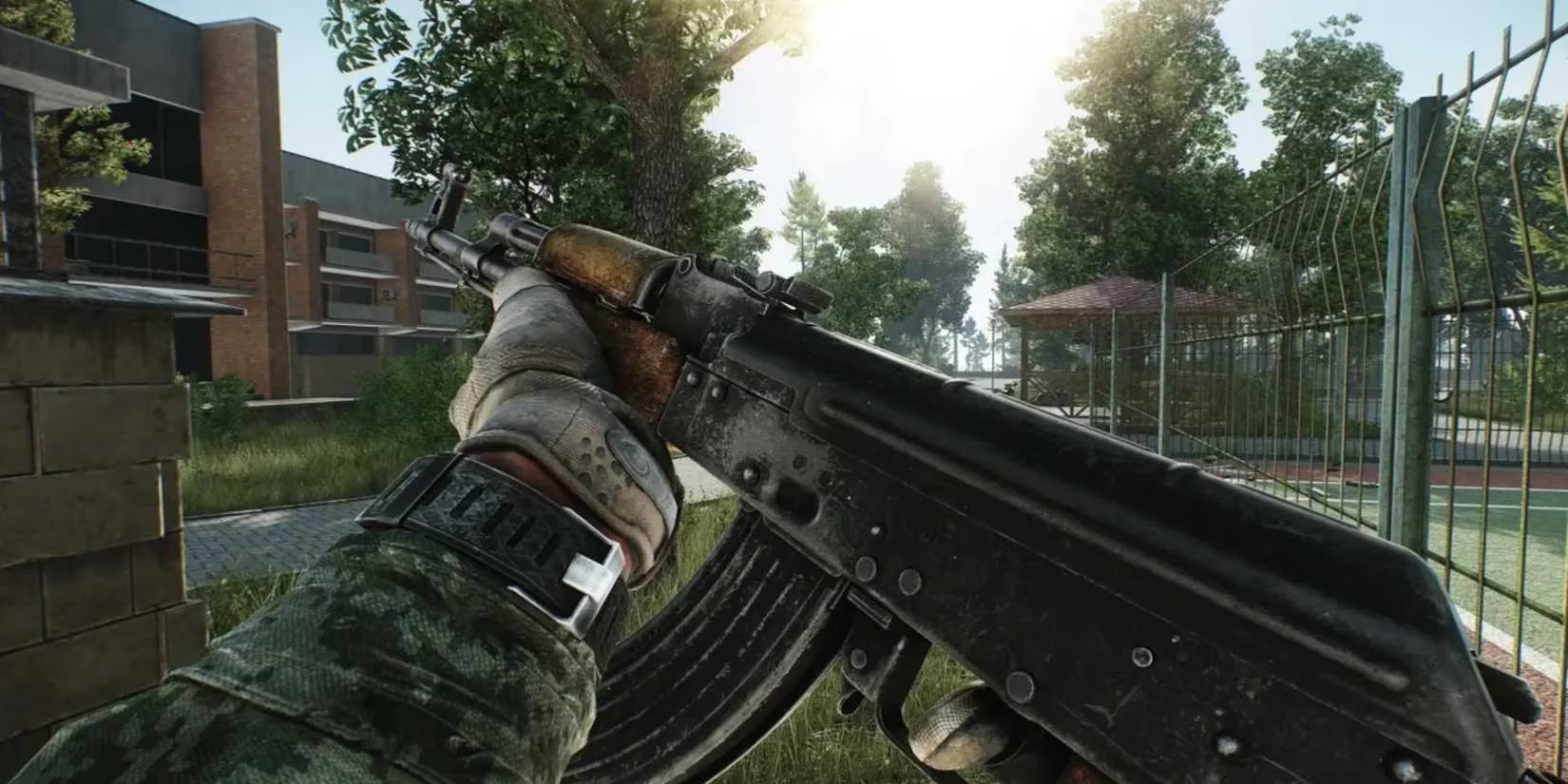
This intense extraction shooter is the definition of 'hardcore.' To dive into Tarkov is to kiss goodbye to your free time and embrace a brutal learning curve. You could be a hundred hours deep and still feel like an absolute novice. The game isn't obtuse; it's just dense. The core loop is grasped quickly, but surviving a firefight against other players is a different story. Weapon crafting is a delightfully intricate puzzle, and the in-game maps are famously... unhelpful. EFT rewards knowledge and experience* like no other. Every death is a lesson, every extracted loot haul a thesis defense. You don't just play Tarkov; you study it.
8 Monster Hunter Wilds: A Capcom Flagship Evolves
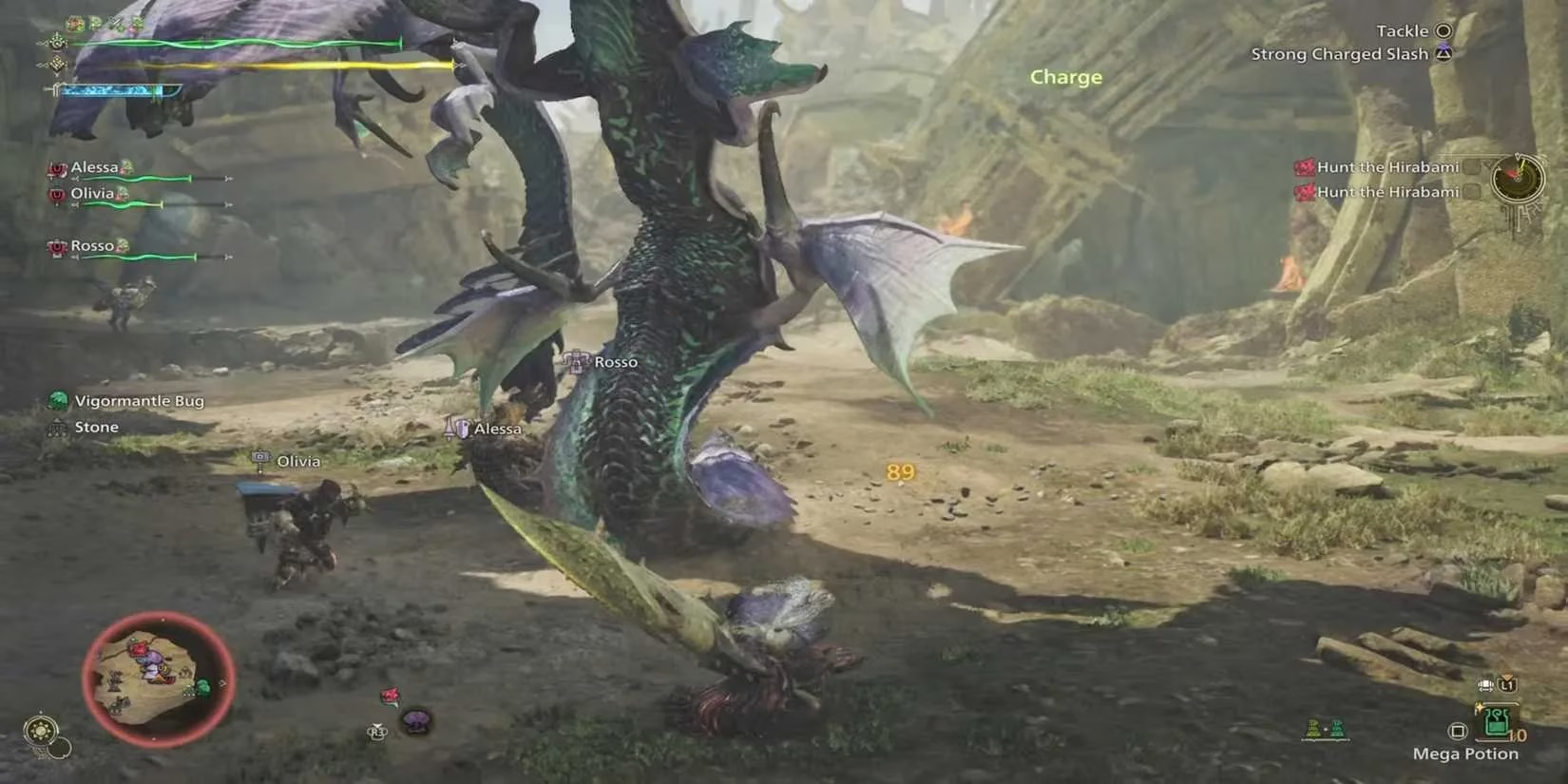
Hailed as the most accessible the series has ever been, Monster Hunter Wilds is a masterclass in layered complexity without condescension. Dozens of systems—from ecology to weapon crafting—are woven together seamlessly. Tutorials exist to introduce new mechanics, then politely recede into your Hunter's Log, never interrupting the high-octane monster beatdowns. For veterans, it's a dream. For newcomers, it can be tough to decipher what's useful. The game respects you enough to present the toolbox; figuring out which tool for which job is your glorious struggle.
7 Bloodborne: Yes, We Still Want A Remaster
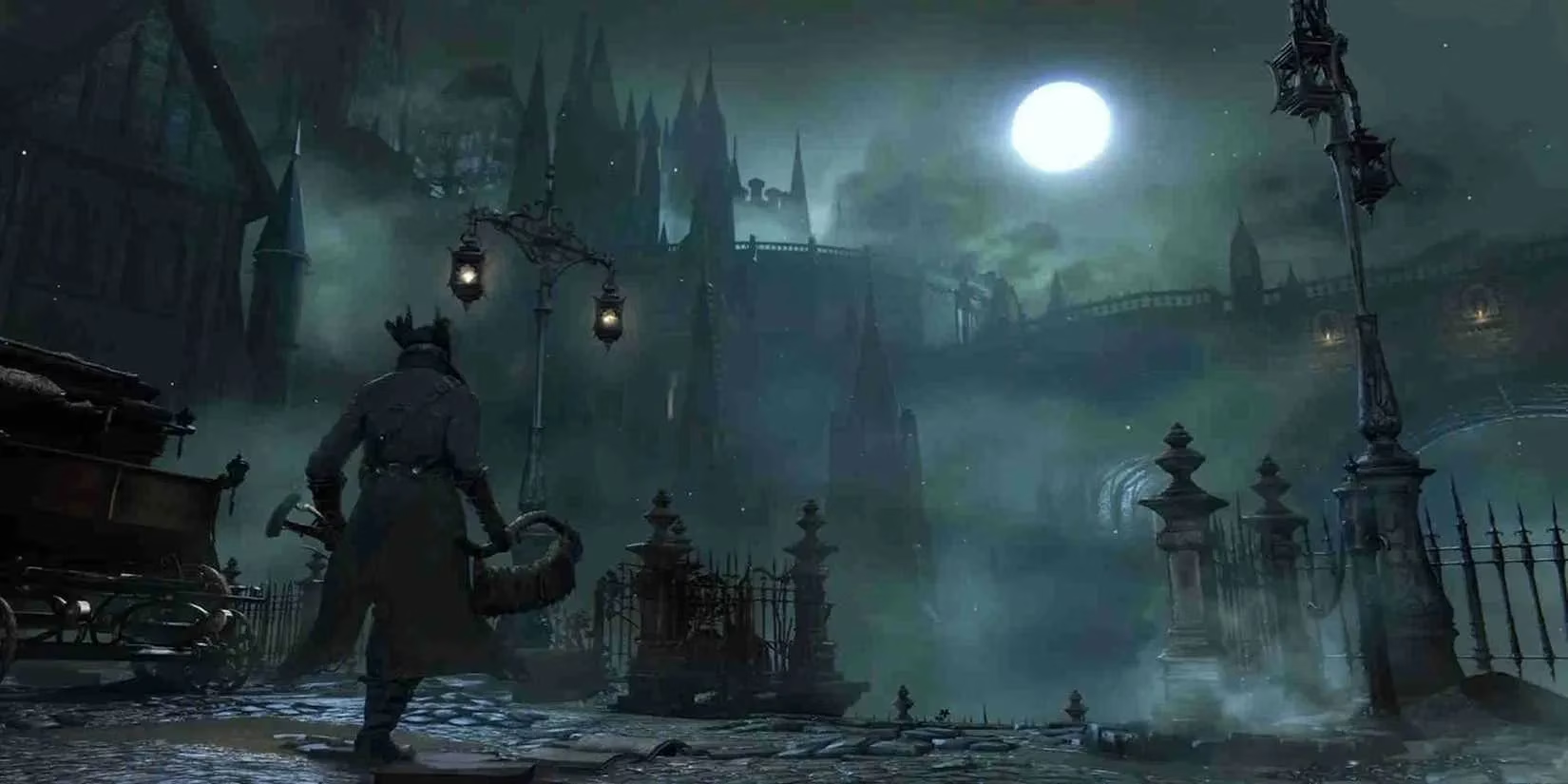
Did you really think a list like this would skip a Souls-like? Notorious for their difficulty, FromSoftware's masterpieces are rarely obscure for obscurity's sake. Bloodborne, a gothic love letter to cosmic horror, is a prime example. Beyond the absolute basics, you are abandoned in the twisted city of Yharnam. Plenty of beginner traps await, and getting hopelessly lost is part of the charm. Yet, the difficulty ramps up at a fair pace. The game operates on a simple, brutal creed: failure is the best teacher. Every crushed skull under a beast's claw teaches you more than any tutorial pop-up ever could.
6 Street Fighter 6: A Hardcore Fighter Made Accessible
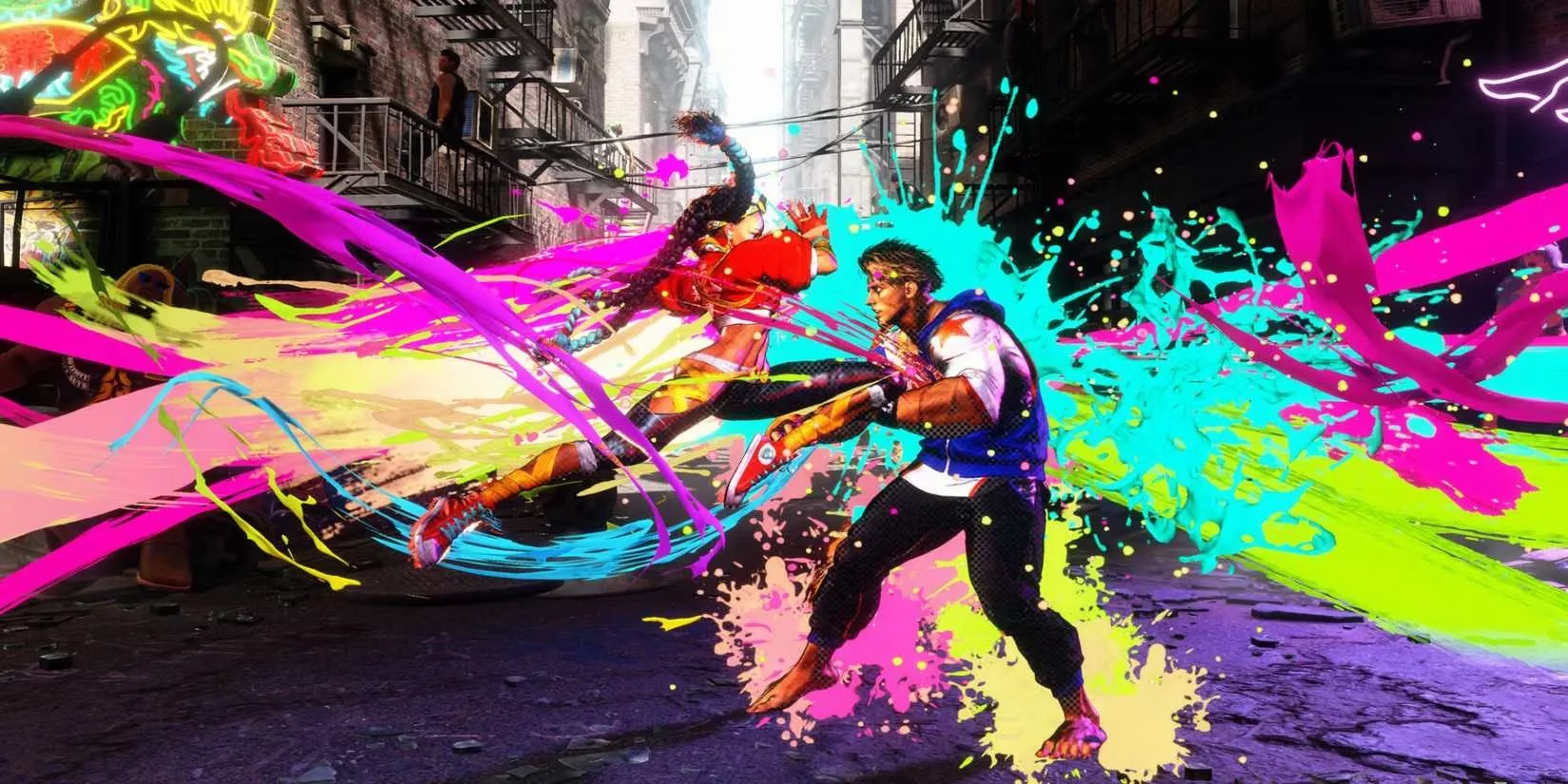
Gone are the days when you had to scour the deepest, darkest corners of FGC forums to git gud. Street Fighter 6 is an impressive fighting game that hands you the keys to the kingdom without dumbing down the drive. Its tutorials and training modes are in-depth, accessible, and, crucially, they don't talk down to you. Fighting games are hard, period. SF6 acknowledges this and gives you every tool to analyze matchups, frame data, and your own mistakes. How far you take that knowledge is entirely up to you. It's the ultimate "teach a man to fish" philosophy applied to throwing fireballs.
5 Tokyo Xtreme Racer: A Classic Reborn
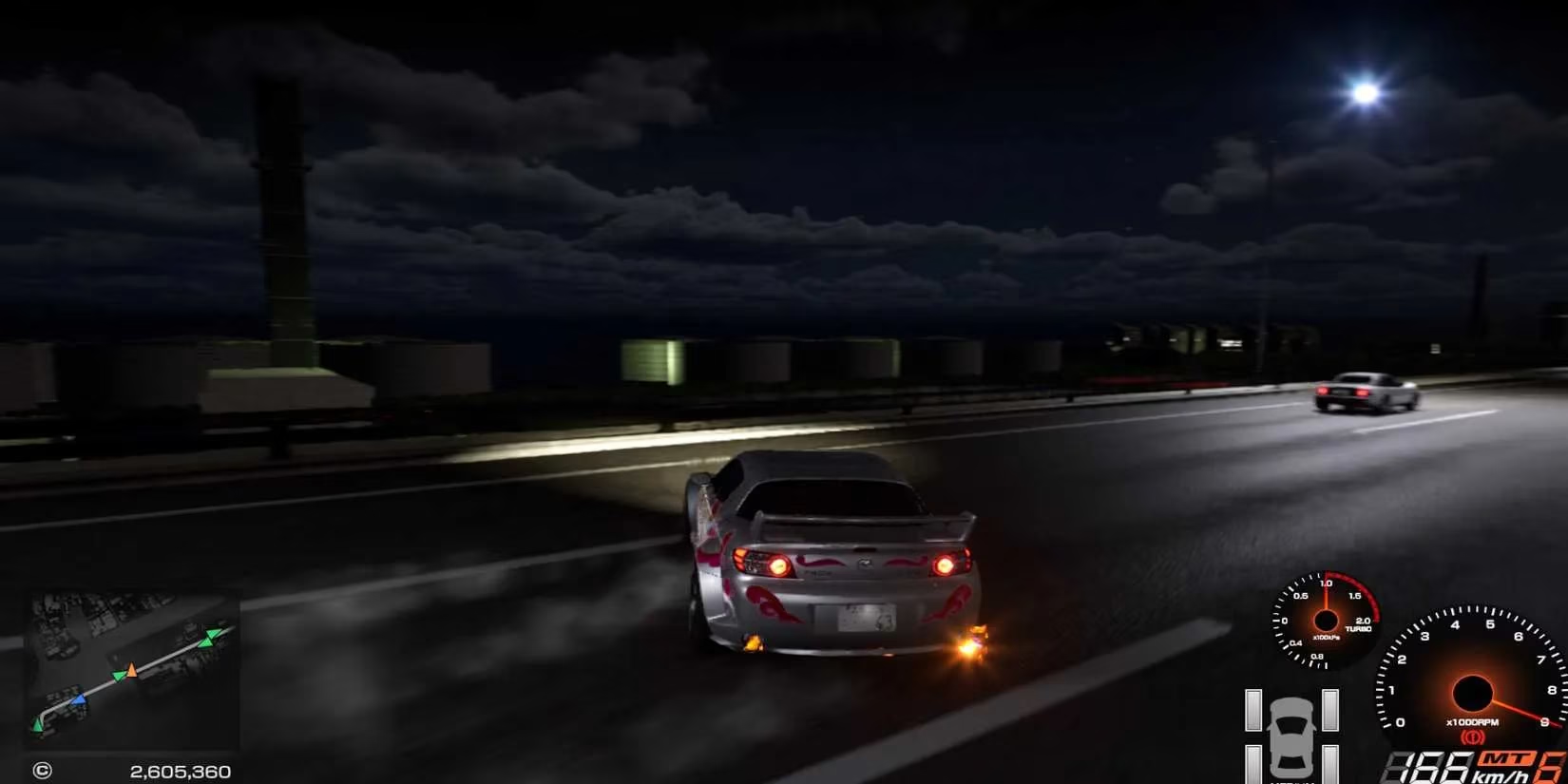
This revival of a PS2 classic offers a refreshing 'old school' take on street racing. TXR 25 is all about the intimate relationship between driver and machine. Its in-depth tuning mechanics—letting you tweak gear ratios, suspension, tire pressure—are a sandbox for tinkerers. You can easily ruin your ride if you're careless, but few feelings in gaming match the euphoria of stumbling upon the perfect tune. The game explains what each setting does, but it won't hold a lecture on optimal camber angles. You're free to cruise the C1 Loop stock, but an ocean of customization awaits those willing to dive into the data.
4 Dragon's Dogma 2: Let's Get To Work, Arisen
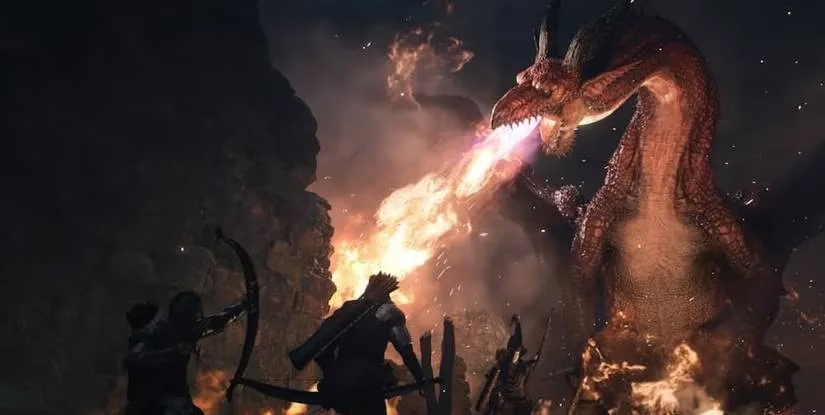
This exceptional open-world RPG is beautiful, vast, and surprisingly merciless. Set against a gorgeous fantasy backdrop, it layers many overlapping mechanics. Food rots, night is truly pitch black, and there isn't even a traditional 'fast travel' option. Combat against towering beasts demands observation and adaptation. The game explains its systems once, then expects you to remember them while you're being chased by a griffin. It's easy to feel overwhelmed, to feel like you've fallen into a hole. But that moment when it all clicks—when you prepare the right items, use the terrain, and finally topple a giant—is pure magic, earned through some fumbling around in the dark.
3 The Binding of Isaac: Rebirth: A Roguelite Masterclass

As the roguelite genre has exploded in popularity, The Binding of Isaac: Repentance remains the gold standard of cryptic, emergent gameplay. The game is mechanically simple—move, shoot, cry. The profound depth lies in its vast item pool. You are given almost zero guidance on what each bizarre pickup does. Part of the core gameplay loop is experimentation, discovering through glorious failure which items synergize into incredible, game-breaking combinations. The item pool is so vast that external wikis and mods exist, but they are entirely optional. The true reward is the gradual, personal catalog you build in your own memory.
2 Hollow Knight: Defining A Genre
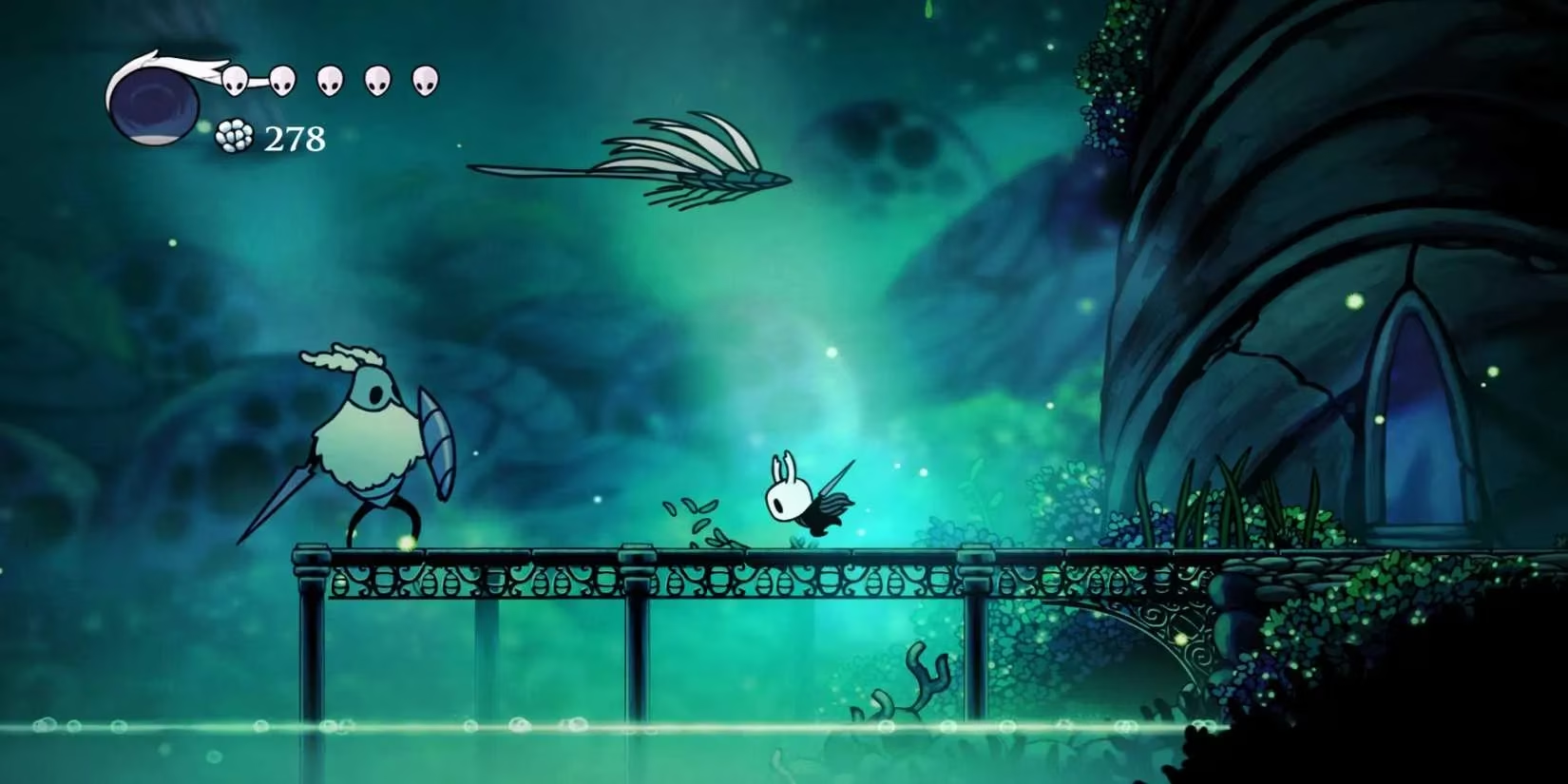
One of the most beloved Metroidvanias on the market, Hollow Knight is a masterpiece of environmental storytelling and demanding exploration. After a brisk tutorial, you are deposited into the vast, decaying kingdom of Hallownest. You're never told what to do. A cryptic line from an NPC, an out-of-reach platform, a locked door—these are your only quest markers. The game trusts you to be curious, to be observant, and to learn from each death. Navigating its beautiful, if bleak, fantasy world is a test of spatial memory and perseverance. With the long-awaited Silksong perpetually on the horizon, there's never been a better time to get blissfully lost.
1 Phasmophobia: Ghost Hunting 101
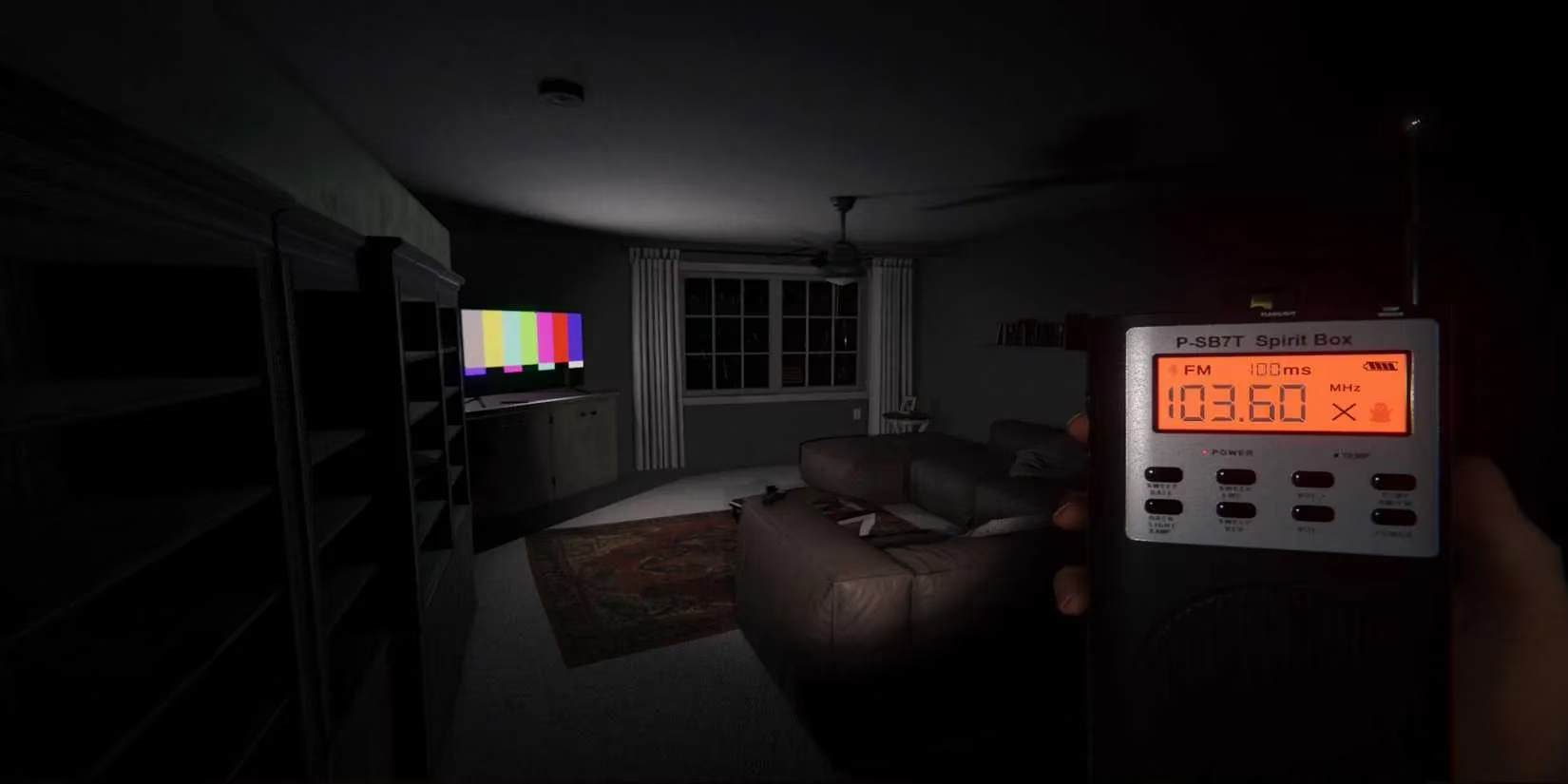
This superb horror/detective mashup turns you and your friends into paranormal researchers armed with an inspired selection of ghost-hunting gadgets. A tutorial covers the basics, but then you're thrown into the deep end. Your primary resource is an in-game journal, and success hinges on your ability to read through it and decipher the clues while a ghost stalks you. The genius twist? The journal can bend the truth. Some entries are misleading, forcing you to cross-reference evidence and think critically under pressure. Community resources exist for the truly dedicated, but the core thrill is in the collaborative deduction, the process of ruling out possibilities until only the terrifying truth remains.
Comments